Have you ever watched Netflix suggest the perfect show or used Google Maps to dodge traffic? Those smart choices don’t happen by magic. An algorithm powers them.
In simple terms, an algorithm is a step-by-step plan to solve a problem, much like a recipe. You start with ingredients, follow instructions, and end with a meal. Computers follow these plans perfectly every time. No guesswork needed.
This guide keeps things beginner-friendly. You’ll see what algorithms are, how they process info, spot them in daily life, explore types, and check future trends. By the end, you’ll spot algorithms everywhere. Let’s break it down.
Think of Algorithms Like Foolproof Recipes You Follow Every Time
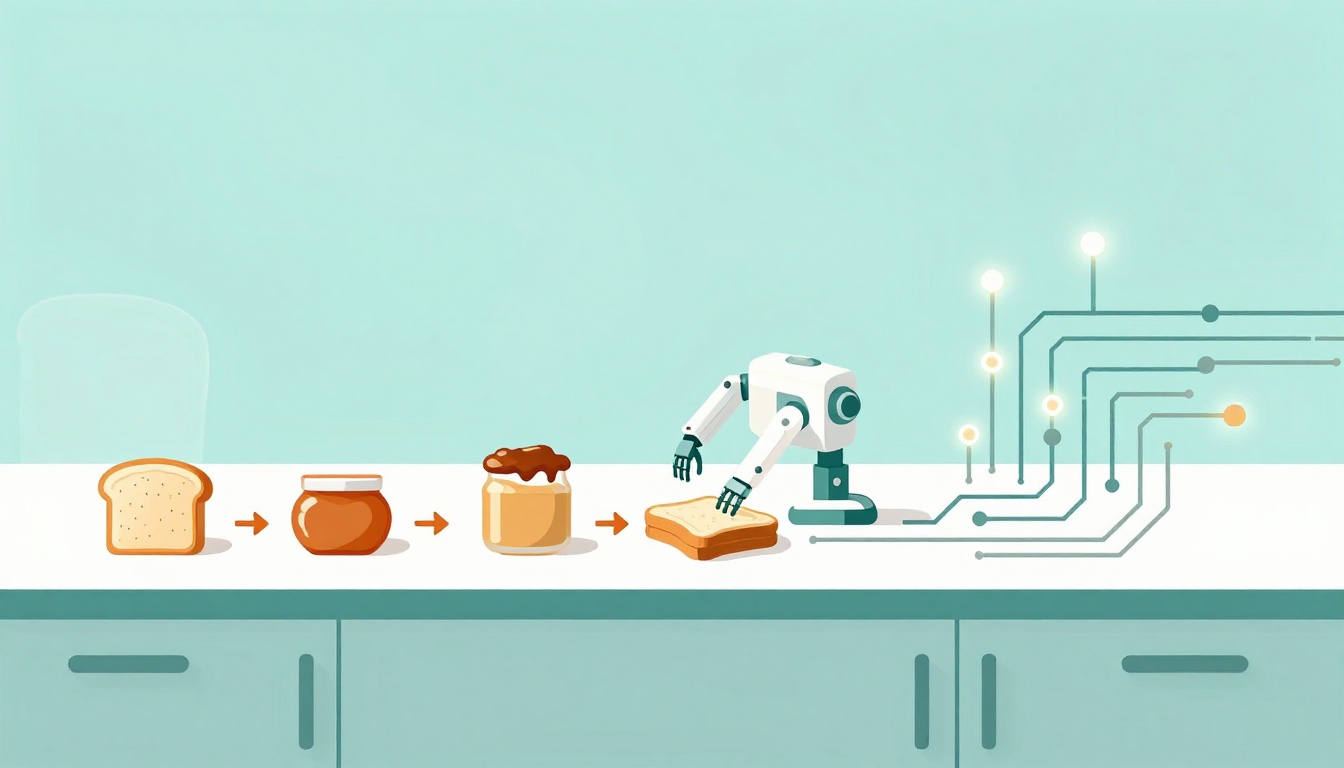
Algorithms act like recipes you trust completely. They take inputs, like bread and peanut butter. Then they guide you through exact steps. Finally, you get an output, a tasty sandwich. Computers love this setup because it ensures speed and no mistakes.
Good algorithms stay precise. Each step must be clear. Repeatable means the same inputs always yield the same output. They finish in a set number of steps too. Vague directions, like “add salt to taste,” won’t work. Computers need yes-or-no rules.
Picture a flowchart. It shows paths clearly. Start here, decide that, loop back if needed. This visual helps humans design them. In short, solid algorithms save time because they handle tasks reliably.

The Building Blocks: Input, Process, and Output Explained
Every algorithm follows the IPO model. Input means starting data. Think ingredients for a sandwich: two slices of bread, peanut butter, jelly.
Process covers the steps. Spread peanut butter on one slice. Add jelly to the other. Press together. Loops repeat actions, like “stir until smooth.” Decisions branch out, such as “if too dry, add more jelly.”
Output delivers the result. Your finished sandwich sits ready to eat. This structure guarantees reliability. No step skips because each links tightly.
- Input: Gather bread, spreads.
- Process: Spread, assemble, check consistency.
- Output: Edible sandwich.
Humans use this logic daily. Computers scale it to billions of steps.
What Sets Top Algorithms Apart from Mediocre Ones
Great algorithms finish fast, even with huge data. They demand finite steps, no endless loops. Exactness rules; no fuzzy terms allowed. They handle all valid inputs without crashing.
Efficiency matters most. Big O notation measures this simply. It shows how time grows with data size. Sorting 10 shirts takes seconds. Sorting 1,000? A top algorithm stays quick.
Test them like recipes. Define the problem first. List steps next. Run trials. Tweak weak spots. For more on basics, check BBC Bitesize’s simple algorithm guide.
Spot Algorithms Hiding in Plain Sight in Your Everyday Life
Algorithms surround you. They sort your emails, pick songs, route your drive. Humans invented them first. Computers just run them faster.
Take making a peanut butter and jelly sandwich. Inputs: ingredients. Process: spread, stack, cut. Output: lunch. Simple and linear.
Google Maps does more. It scans roads, traffic, distance. Then it picks the best path. Reroute if a jam hits. You arrive on time.
Laundry sorting follows color rules. Group whites, then colors. Computers use the same idea on massive files.
Dictionary lookups use binary search. Open to middle. Too early? Pick right half. Repeat. Halves shrink fast.
These show algorithms at work. They make chaos orderly.

From Kitchen Counters to Navigation Apps: Quick Wins
Sandwich steps stay straightforward:
- Lay out bread slices.
- Spread peanut butter evenly.
- Add jelly layer.
- Press slices together.
- Cut in half.
Reliable every time. Navigation apps add smarts. Input: start, end points. Process: calculate routes, check live traffic. If jam ahead, switch paths. Output: turn-by-turn directions.
For real-world examples, see Sphero’s student-friendly cases. Apps shine because they adapt.
Sorting Chaos and Hunting Treasures: More Daily Magic
Sort laundry by color. Whites first, then darks. Repeat for sizes. Computers speed this on data piles.
Binary search halves options quick. Dictionary with 1,000 pages? Middle check cuts to 500. Next to 250. Done in steps, not scans.
Computers crush big data this way. Your phone finds contacts instantly. Algorithms hide, but they power routine wins.
Get to Know the Main Types of Algorithms and When to Use Them
Types fit problems. Linear algorithms follow straight steps. Use them for simple tasks, like recipes.
Conditional algorithms branch with if-then rules. Pick routes based on weather.
Sorting algorithms, like bubble sort, swap items until ordered. Neat lists for shopping or files.
Searching algorithms, such as binary search, halve options fast. Ideal for quick lookups in sorted data.
Choose wisely for speed. Linear suits small jobs. Binary search flies on big sets. Link to earlier examples: Maps uses conditional paths.

For beginner breakdowns, try this DEV Community overview.
Why Algorithms Drive Today’s Tech Boom and Tomorrow’s Breakthroughs
Algorithms fuel apps, medicine, logistics. They crunch data fast, spot patterns humans miss. In health, they predict outbreaks. Logistics routes save fuel.
Scalability counts. Efficient ones handle growth without slowdowns.
March 2026 trends heat up. Machine learning algorithms learn from data. Agentic AI plans tasks solo, like auto-investigations. Multi-agent teams divide work: one researches, another codes.
Quantum algorithms promise speedups. Hybrids mix quantum bits with regular computers for drug sims, finance risks. Error fixes make them reliable.
Ethics pushes fair designs. Diverse data cuts bias in hiring, loans. Laws like Colorado’s AI Act demand checks.
Free tools abound. Try freeCodeCamp’s Python courses. Tinker today; shape tomorrow.

Algorithms turn problems into solutions, from sandwiches to quantum leaps. You’ve seen their blueprint: inputs process to outputs. Daily examples prove they’re practical. Types match needs. Trends like learning AI and ethical quantum designs point ahead.
Spot one today? Write a simple recipe as steps. Test in a coding playground. Share your aha moment below. Algorithms make life smoother; you can use them too.