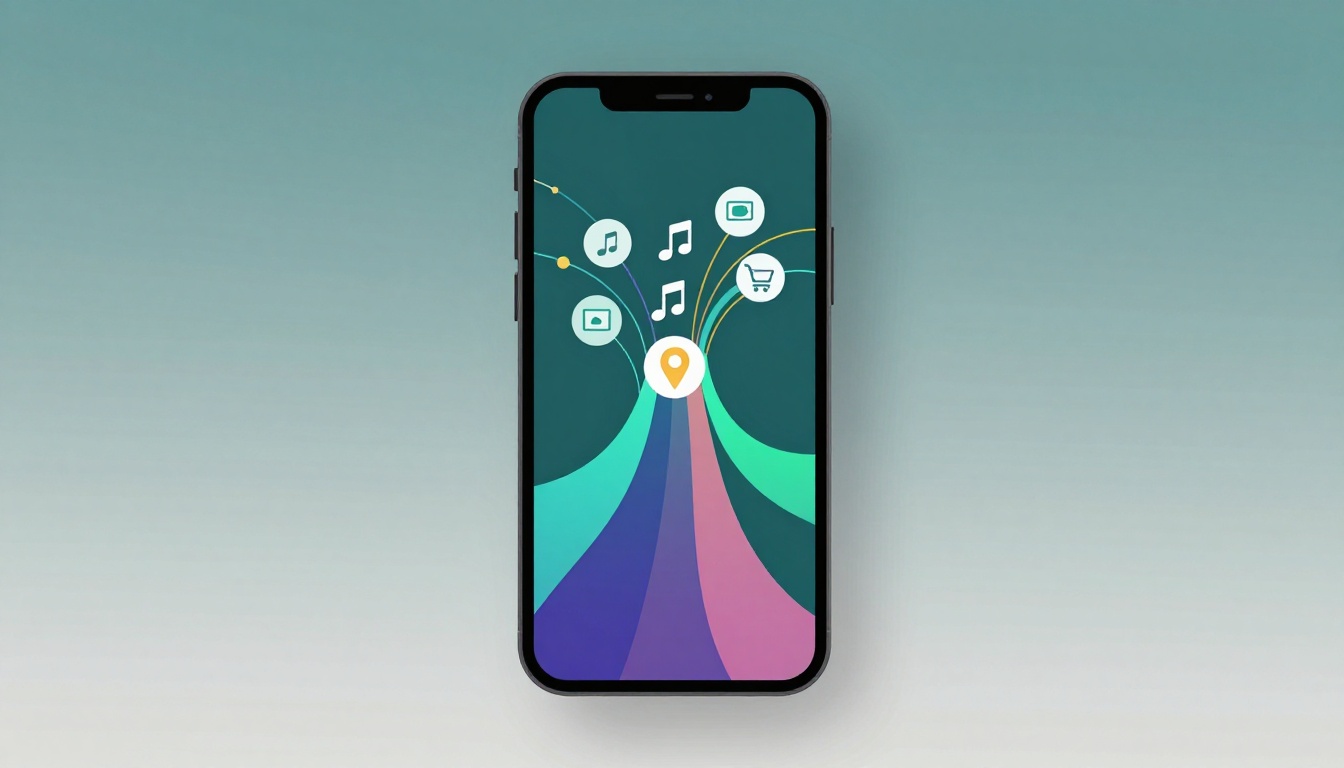
You grab your phone and open TikTok. The first video hooks you right away. It matches your mood perfectly. Switch to Amazon, and product suggestions pop up before you type a search. These moments feel magical. But apps use algorithms every day to create them.
Algorithms act as sets of math rules. They sift through massive data fast. They spot patterns humans miss. So why do apps rely on them daily? Personalization keeps you glued. Predictions guess your next move. Efficiency handles crowds without crashes. Safety blocks threats quietly.
You’ll see real examples from apps like Netflix and Spotify. Plus, 2026 trends make them smarter. Apps use algorithms daily to make your life faster, safer, and more fun.
Core Reasons Apps Turn to Algorithms for Everyday Magic
Apps face huge challenges. Billions of users generate endless data. Manual handling won’t work. Algorithms step in because they process it all in seconds. They turn chaos into useful actions. For instance, they learn from your taps and swipes. This creates smooth experiences you expect now.
In 2026, real-time processing powers this. Phones run complex math on-device. No cloud delays. As a result, apps feel instant.
Personalization That Feels Like Mind Reading
Algorithms track your every move. They note clicks, watch times, and pauses. Then they build feeds just for you. TikTok does this best. It shows videos based on what you rewatch most.
Think of it like a friend who remembers your coffee order. You save time. Engagement soars because content fits. Studies show personalized feeds boost session times by 30%. Apps stay relevant. You keep coming back.

A user enjoys a tailored feed on the couch. It pulls from habits for spot-on picks.
Spotify playlists work the same way. They mix your saves and skips. For more on how apps nail recommendations, check this breakdown from Gonzay.
Prediction to Stay One Step Ahead
Next, algorithms guess what comes next. They analyze patterns from millions. Netflix predicts shows you’ll binge. It factors in watch history and trends.
Google Maps forecasts traffic. It blends your routes, weather, and live data. In 2026, health apps alert you 60 minutes before issues. They spot heart rate dips early.
This keeps you ahead. No surprises. Apps feel proactive because predictions cut frustration.
Efficiency for Non-Stop Smooth Sailing
Scale hits hard. Apps serve millions at once. Algorithms crunch data without lag. On-device processing speeds it up. Privacy improves too. No server trips needed.
Take Instagram. It loads stories instantly during peak hours. Algorithms prioritize key content. Users notice zero slowdowns. Therefore, retention climbs.
Safety Nets Against Junk and Threats
Bad stuff lurks online. Algorithms spot it fast. They flag fake news via patterns. Banks detect fraud from swipe speeds.
Content apps remove hate speech. This builds trust. Echo chambers shrink because diverse views surface. Apps become reliable daily tools.
Algorithms in Action Across Your Daily Apps
Popular apps show algorithms at work. They drive addiction and utility. TikTok hooks with For You pages. Amazon sells more through smart picks. Let’s break it down.
In March 2026, TikTok needs 70% watch completion for boosts. Rewatches matter most.
Social Media Feeds That Hook You Instantly
TikTok tests videos with followers first. High engagement spreads them wide. Facebook prioritizes real posts over ads. Emotional AR filters engage deeper.
For details on social media algorithms, see this guide. Users spend hours because feeds evolve live.
E-Commerce Suggestions That Nail Your Needs
Amazon groups users into tiny clusters. It matches products from buys and browses. Short videos scroll endlessly now. Discovery beats search.
Sales jump 35%. You find needs fast. No endless hunting.
Navigation Apps Dodging Traffic Like Pros
Google Maps and Waze predict jams. They use habits, events, and sensors. Best routes save 20 minutes daily.
Vertical feeds suggest spots too. Apps turn trips into adventures.
Streaming Picks That Match Your Vibe Perfectly
Netflix autoplays vertical previews. It guesses from unfinished watches. Spotify blends audio analysis and moods. Saves and low skips boost tracks.
Discover Weekly feels custom. In 2026, sleep data refines night picks. Endless content flows.
| App | Key Algorithm Trick | User Benefit |
|---|---|---|
| TikTok | 70% watch + rewatches | Instant hooks |
| Amazon | Micro-groups + videos | Quick buys |
| Google Maps | Live habits + weather | Faster routes |
| Spotify | Saves + mood analysis | Perfect playlists |
This table shows quick wins. Algorithms make apps indispensable.
Big Wins, 2026 Trends, and Real-Life Ripples
Algorithms deliver clear gains. You save time. Businesses grow. Society shifts positively.
Privacy regs push smarter designs. Yet challenges like bias need fixes.
Everyday Boosts and Business Edges
Users get health alerts and matches. Apps retain longer. Sales rise from predictions.
Fitness apps remind at peak times. Retention hits 40% higher.
Hot Trends Powering Apps in 2026
Edge AI runs on phones. Speed and privacy lead. AI-native apps create content live.
Predictive tools guess quits. User controls let you tweak feeds. For mobile app trends, explore this overview.
On-device math uses phone chips. Offline work shines.
How Algorithms Shape Society and Tomorrow
Safer banking spots fraud early. Trusted content cuts fakes. Fairer feeds promote balance.
Regs ensure privacy. Businesses adapt. Tomorrow brings agentic helpers. They plan days autonomously, like this dev example.
Apps evolve your routines for good.
Apps use algorithms every day for good reasons. They personalize like mind readers. They predict to keep pace. Efficiency ensures smooth runs. Safety guards your space.
Examples from TikTok to Spotify prove it. In 2026, edge AI and predictions amp them up. You benefit most: faster fun, smarter choices.
Next time you scroll, notice the magic. Tweak settings for control. Smarter apps await. What’s your favorite algorithm win?