You’ve sat in gridlock traffic, late for work, cursing the wheel. Then your phone buzzes. The navigation app reroutes you down a quiet side street. You arrive on time. Apps like Google Maps, Waze, and Apple Maps make this happen every day.
They blend live data from millions of phones with smart math. Traffic tops the list, but they also check tolls, road types, and your settings. In 2026, AI upgrades like Gemini in Google Maps add even sharper predictions.
You’ll see how these apps score routes, the algorithms at work, and why one beats another for your drive. Differences between top apps matter too. Live changes keep you ahead of jams. Let’s break down the factors first.
What Factors Make One Route Better Than Another?
Apps score routes like a chef balances a recipe. They weigh time over distance alone. Traffic often rules because it spikes delays most.
Live data from phones shows speeds block by block. Users report crashes too. Apps predict jams using past patterns. Distance comes next. A straight shot loses if it’s bumper-to-bumper.
Tolls add costs you might dodge. Settings let you skip them. Road types factor in; highways speed you up unless clogged. Time of day tweaks predictions for rush hour.

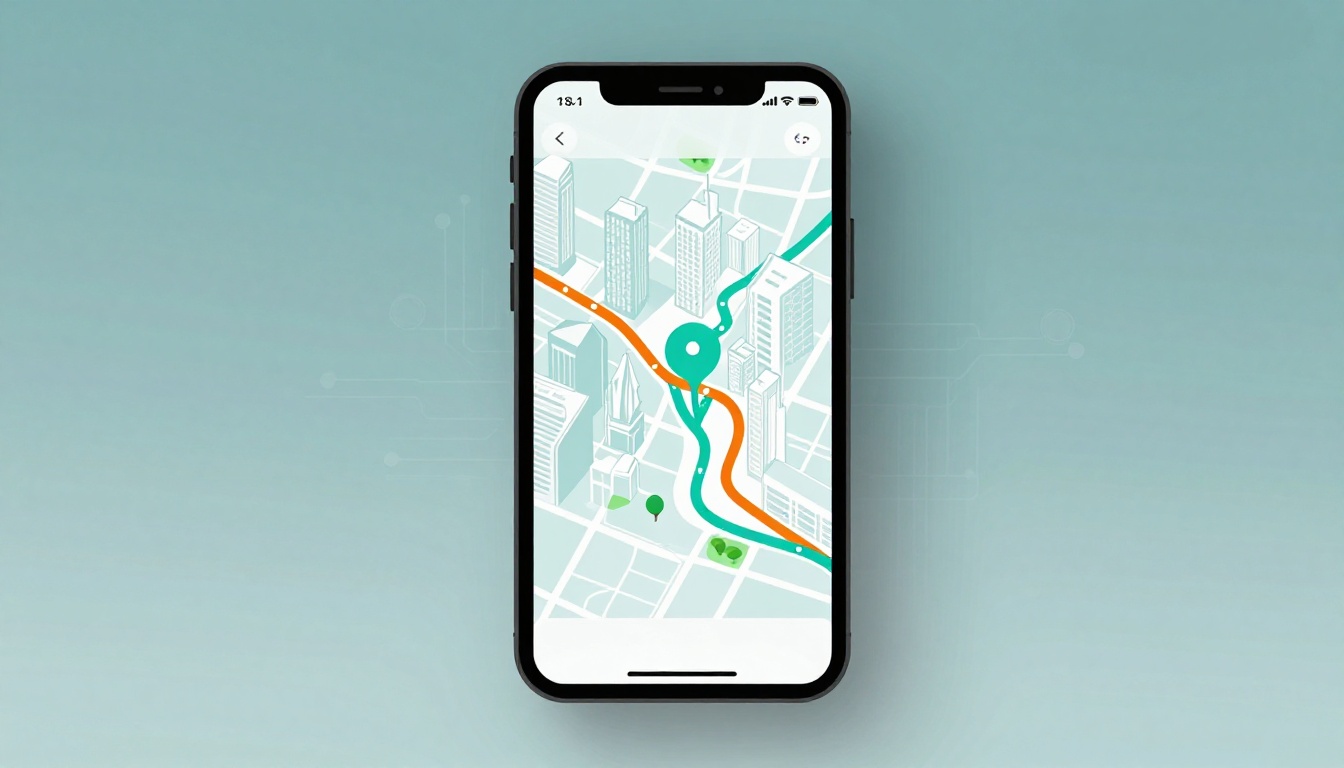
This image shows the choice clear: jam versus toll.
Traffic Data: Predicting Jams Before They Happen
Traffic data drives most picks. Apps pull GPS from users’ phones. They spot slowdowns instantly.
Waze shines here with crowd reports. Users flag wrecks or work zones fast. Google Maps mixes this with history for predictions.
For example, sensors and phones feed speeds. Apps forecast jams 30 minutes out. This beats static maps. As a result, you skip trouble before it hits.
Real-time alerts pop for hazards. Police or debris show up quick. Therefore, routes stay fresh.
Balancing Distance, Tolls, and Your Preferences
Distance matters, but not alone. Apps offer toggles: fastest, shortest, or avoid tolls.
Skip tolls? They pick slower back roads. Check how apps handle toll avoidance for details on real-time tweaks.
Your settings rule. Avoid highways? They stick to locals. Trade-offs show upfront: five minutes extra saves $3.
Apps learn habits too. They suggest your usual path if clear. In short, preferences shape the score.
Road Conditions and Time-Based Smarts
Hazards like construction block paths. Weather slows wet roads. Apps adjust speeds down.
Time of day predicts rush. Morning commutes favor alternates. Set “arrive by 9 AM,” and they push early starts.
Bike modes check hills. Walkers get scenic flats. Road types prioritize smooth pavement. Meanwhile, events like parades reroute crowds.
All this scores paths second by second.
The Brainpower: Algorithms Powering Route Magic
Algorithms crunch the factors fast. They treat roads like a maze. A* search leads the pack.
It finds paths efficiently across city grids. Real-time data tweaks scores live. In 2026, AI boosts this.
Gemini in Google Maps handles queries like “gas nearby.” It predicts based on traffic trends. Constant updates during drives keep ETAs spot-on.
A-Star Search: Finding the Quickest Path Through the Maze
A* combines cost so far with a guess ahead. Distance plus estimate guides it.
Think maze solving. It skips dead ends quick. See Google Maps A* deep dive for the math.
Apps run it on graphs of roads. Billions of options narrow fast. Speed limits weight edges. Traffic inflates costs.
This base works for all apps. However, live inputs refine it.
AI and Live Data: Keeping Routes Fresh in 2026
Crowd data updates every minute. Waze users report first. Google predicts with AI.
Gemini chats natural language. “Quiet spot with parking” pulls reviews and traffic. Apple uses on-device habits for privacy.
Dynamic rerouting fires if better paths open. Phones and partners feed satellites too. As a result, routes evolve.
Google Maps vs Waze vs Apple Maps: Who Picks Routes Best?
No app rules all drives. Google Maps blends everything smooth. Waze attacks traffic hard. Apple Maps fits iOS seamless.
Here’s a quick comparison:
| App | Route Strength | 2026 AI Update | Best For |
|---|---|---|---|
| Google Maps | History + live traffic predictions | Gemini for queries, multi-stops | All trips, reliable ETAs |
| Waze | User reports for hazards | Crowd alerts, aggressive reroutes | Commutes, dodging jams |
| Apple Maps | Habit-based, privacy-focused | On-device preferred routes | iPhone users, simple drives |
Data shows Google edges most tests. Check full showdown details.
Limits exist. Complex trips need manual tweaks.
Google Maps: Your AI Route Guru
Google predicts steady. Add 10 stops easy. Gemini finds “pasta with parking.”
Live traffic from phones rules. Rural works well too. Most users trust its times.
Waze: Crowd Power for Dodging Delays
Users flag cops or wrecks. Reroutes bold and quick. Traffic hacks save minutes.
Stressful alerts keep you sharp. Best in heavy cities.
Apple Maps: Simple and Safe for Apple Fans
Smooth iOS flow. Private habits guide picks. Good traffic from iPhones.
Fewer reports than Waze. Pit stops for gas shine.
How Apps Handle Surprises Like Traffic Jams or Detours
Sudden jams trigger reroutes. Better paths appear? Apps switch.
Multi-stops split if over 10. Drag to reorder. Data from drivers and partners updates.
Satellites spot work zones. Report issues yourself. It helps everyone.
Check settings first. Enable alerts. Test offline too.
Apps Make Drives Smarter
Factors like traffic and tolls score routes. A* algorithms plus AI keep them optimal. Google leads all-around, Waze fights jams, Apple suits simple needs.
Experiment with toggles. Report hazards. You’ll shave time off trips.
Share your go-to app in comments. Try a new route today. Tech keeps getting better with AI ahead. Safe travels.
(Word count: 1487)